SoftWiz • Call analysis • Sales teams • AI
Sales call analysis with AI: what to check on every call, how to build a call score, and what to do with the results
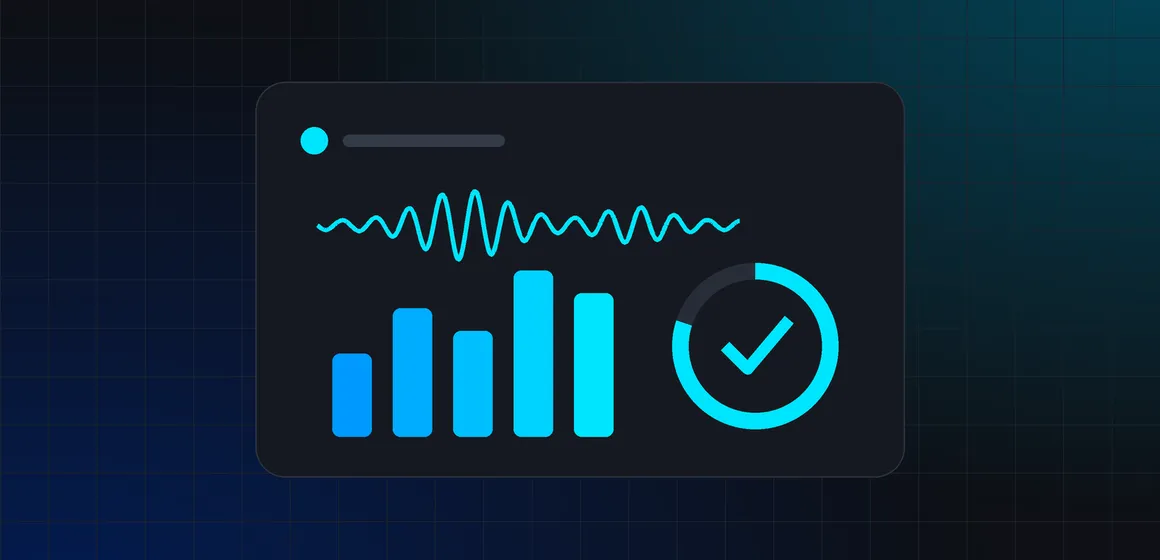
A contact centre manager usually listens to a handful of calls a week, judges the whole team by them, and hopes they picked the right ones. AI call analysis turns that around: every call is transcribed, analysed and scored, and the manager starts with the calls that genuinely need their attention.
What call analysis is
A system that takes your calls, from the phone system or from recordings, transcribes them and analyses each one against criteria the business sets. The field is known as conversation intelligence.
Two things set it apart from listening by hand:
- Coverage. Every call, not a sample. Including the Thursday call at six in the evening that no manager would ever have reached
- Consistency. The same criteria on every call and every agent, whatever the mood of the person listening
What to check on a sales call
The exact list depends on the business, but the skeleton repeats in almost every team:
- Opening and rapport. Did the agent introduce themselves, build a connection and check it was a good time to talk
- Needs discovery. Did they ask before they pitched. An agent talking about the product in the first minute is selling to themselves
- Presenting the solution. Did they connect what the customer said to what they are offering
- Handling objections. What stopped the customer, and how the agent responded. This is where most of the gold is
- Buying signals. Questions about price, delivery times, “and if we started next month”. In the middle of a call they are easy to miss
- Closing on a next step. A meeting, a quote, a follow-up call with a date. A call that ends in “let’s talk” is a call that has not ended
- Compliance. The recording notice, terms, the right to cancel, and whatever else the agent must say in your sector
Service calls add sentiment and risk: frustration, escalation requests, signs of churn and legal threats. You want to know about those the same day, not at the end of the month.
How to build a call score you can trust
A single generic score, “this call got 72”, does not tell an agent what to improve. A useful score is built from three things:
- The business’s own criteria and weightings. In a team selling an expensive product, needs discovery is worth more. In a service centre, first-call resolution. The weightings should reflect what drives results for you
- A quote for every finding. “The agent did not handle the price objection” is worth little. The same sentence with the quote from the call can be checked in seconds and shown to the agent
- Few criteria. Five to seven, measured well, beat twenty that nobody reads
What to do with the results
The analysis is worth only what you do with it. Four uses that pay it back:
- Coaching agents. A short weekly session with each agent on two calls: one good and one to improve, with the quotes. It works better than a general note about “being more assertive”
- Improving the script. When the same objection recurs across dozens of calls, the problem is not the agent but the script, or the offer itself
- A follow-up message. The call summary and next step, ready to send to the customer on WhatsApp or by email straight after the call
- Alerts. A call with a low score, churn risk or a legal threat reaches the manager the same day
And the use to avoid: turning the score into a disciplinary tool. Agents who feel measured in order to be caught out start talking to the script instead of to the customer.
Hebrew: where systems differ
The analysis is only as good as the transcript under it. Hebrew makes that hard: slang, English words mid-sentence, product names, and two people talking over each other. Before choosing a system:
- Test on your own real recordings, including a noisy call and a customer who talks fast
- Check the split between agent and customer. Analysis that credits the agent with something the customer said is worse than none
- Check the quotes. If findings arrive without a quote from the call, you have no way of knowing whether they are right
Privacy and recording
In Israel, a party to a call may record it, and it is standard practice to tell the customer the call is recorded. The business is responsible for telling customers and staff that calls are recorded and analysed. This is not legal advice, and if in doubt it is worth checking with a lawyer.
Beyond the law, ask every provider three questions: which sensitive details are masked before analysis (card numbers, ID numbers), where the data is stored, and whether calls are used to train models.
Getting started
If your contact centre runs on CallMarker, call analysis is already part of the system, alongside the dialer and the CRM. We cover that in the article on automatic dialers for sales teams.
We have also built a dedicated product: TalkWiz, a system for analysing sales and service calls that was built for Hebrew. It scores every call against your criteria, with a quote for every finding, picks out objections and buying signals, drafts a follow-up message and sends the manager a daily report. It connects to CallMarker out of the box, and other systems can send calls through an API or upload recordings. The first 100 calls are analysed free.
Want to measure whether it pays? Our guide to measuring ROI on CRM, telephony and automation helps you decide what to measure before you start.
FAQ
What is AI call analysis?
A system that takes your sales and service calls, transcribes them and analyses each one against criteria the business sets: how the agent opened, whether they explored needs, how they handled objections, whether a next step was agreed. The field is called conversation intelligence. The difference from listening by hand is that the system covers every call, not a sample.
What do you check on a sales call?
Usually seven things: the opening and rapport, needs discovery, presenting the solution, handling objections, buying signals, closing on a next step, and compliance points such as the recording notice. How much each one weighs is set by the business.
Does AI call analysis work in Hebrew?
It depends on the system. The analysis is only as good as the transcript under it, and transcribing Hebrew with slang, English words and a clean split between agent and customer is where systems differ. Test on your own real recordings, not on a demo.
Is it legal to record and analyse calls with customers?
In Israel, a party to a call may record it, and it is standard practice to tell the customer the call is recorded. The business is responsible for telling customers and staff that calls are recorded and analysed. This is not legal advice: if in doubt, check with a lawyer.
What does call analysis cost?
Pricing usually follows call volume, in minutes or in number of calls. On TalkWiz, our own product, the first 100 calls are analysed free, and after that there is a monthly plan based on minutes of analysis. Current prices are on the TalkWiz site.
Sources
The TalkWiz information was checked against its official site in October 2026 and may change.